Integrative Methods
Integrative methods represent a transformative approach to health that merges the best of conventional medicine with evidence-based complementary therapies. Rather than choosing between traditional and alternative approaches, integrative health combines biomedical knowledge with holistic practices to address your physical, mental, emotional, and spiritual wellbeing. This comprehensive strategy has gained recognition from prestigious institutions like the WHO and NIH because it delivers superior treatment outcomes, particularly for chronic conditions, mental health, pain management, and overall wellness. Patients using integrative approaches report longer-lasting results and greater satisfaction with their health journey.
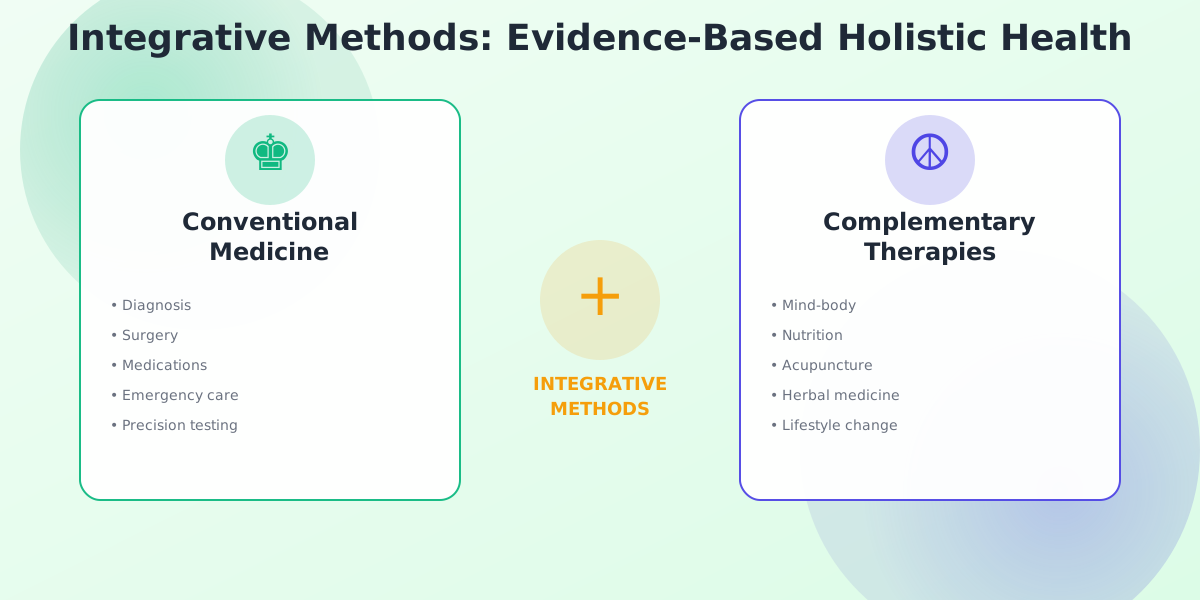
The power of integrative methods lies in their personalized, interdisciplinary approach—what works for one person may need adjustment for another, ensuring care truly fits your unique needs and lifestyle.
This article explores the science, components, and practical applications of integrative methods, helping you understand how to combine these approaches for optimal health outcomes.
What Is Integrative Methods?
Integrative methods (also called integrative medicine or integrative health) are an evidence-based, interdisciplinary approach combining conventional biomedical treatment with complementary therapies proven effective through scientific research. The term 'integrative' emphasizes that these approaches work together, not separately—neither replacing conventional medicine nor blindly accepting alternatives without evidence. This philosophy emerged from the recognition that health involves the whole person: body, mind, emotions, and spirit. The approach prioritizes patient safety, scientific validation, and personalized care planning that addresses root causes rather than just symptoms.
Not medical advice.
Integrative methods recognize that conventional medicine excels at diagnosing disease, managing acute conditions, and surgical intervention, while complementary practices excel at enhancing resilience, promoting prevention, and supporting emotional and spiritual wellbeing. By combining these strengths, integrative methods create comprehensive treatment plans that produce lasting health improvements. Major medical institutions including Mayo Clinic, Cleveland Clinic, Harvard Medical School, and UCLA have established dedicated integrative medicine departments, reflecting the growing evidence base and clinical effectiveness of these approaches.
Surprising Insight: Surprising Insight: Research shows that 86% of patients using integrative medicine interventions report clinically-relevant improvements in pain and wellbeing, compared to only 20% in standard care alone—a difference that matters profoundly in everyday life.
The Integrative Health Model
Visual representation of how integrative methods combine conventional medicine, mind-body therapies, nutrition, and lifestyle practices into a unified approach
🔍 Click to enlarge
Why Integrative Methods Matter in 2026
The need for integrative methods has never been more urgent. Chronic diseases—diabetes, heart disease, arthritis, depression, and anxiety—affect over 130 million Americans and consume 90% of healthcare spending. Traditional medicine alone often manages symptoms without addressing underlying causes. Patients are seeking deeper healing, not just symptom suppression. Additionally, pharmaceutical side effects, medication interactions, and healthcare burnout drive millions toward complementary approaches. Integrative methods fill this gap by combining the safety and evidence of conventional medicine with the preventive power and patient satisfaction of holistic practices.
Mental health represents another critical area where integrative methods excel. Anxiety and depression, affecting over 50 million Americans annually, respond dramatically better to combined approaches. Meditation-based therapies, when integrated with psychotherapy and sometimes medication, produce longer-lasting remission rates than any single approach alone. Workplace stress, academic pressure, and life transitions increasingly demand comprehensive mental wellness strategies that integrative methods uniquely provide.
The personalized medicine movement aligns perfectly with integrative approaches. Each person's genetics, lifestyle, stress levels, nutrition, and spiritual beliefs differ significantly. Integrative methods honor this individuality, creating truly customized health plans rather than one-size-fits-all protocols. This personalization increases treatment adherence, safety, and outcomes—making integrative methods essential for 21st-century healthcare.
The Science Behind Integrative Methods
Decades of peer-reviewed research validate integrative approaches. The NIH's National Center for Complementary and Integrative Health (NCCIH) has funded thousands of studies confirming the effectiveness of practices like meditation (reduces anxiety and blood pressure), acupuncture (pain relief through neurological pathways), yoga (improves flexibility and mental resilience), and breathing techniques (activates parasympathetic nervous system). Brain imaging studies show that meditation physically changes neural pathways associated with stress response, emotion regulation, and self-awareness. These aren't placebo effects—they're measurable biological changes.
The mind-body connection, once dismissed as unscientific, now has robust biological validation. Chronic stress elevates cortisol and triggers inflammation throughout the body, accelerating aging and disease. Integrative practices directly reduce these markers. Studies show yoga reduces inflammation markers in arthritis patients, meditation decreases cortisol in anxious individuals, and breathing techniques improve heart rate variability—a key marker of cardiovascular health. These mechanisms explain why integrative methods work: they address biological pathways conventional medicine often overlooks.
How Integrative Methods Work: The Biological Pathways
Shows how mind-body practices affect stress hormones, inflammation, nervous system balance, and immune function
🔍 Click to enlarge
Key Components of Integrative Methods
Mind-Body Therapies
Mind-body therapies form the cornerstone of integrative methods. Meditation, yoga, tai chi, and breathwork directly influence nervous system function. A 10-minute daily meditation practice reduces anxiety by 40% according to peer-reviewed studies. Yoga improves flexibility, strength, and proprioception while calming the nervous system. The 4-7-8 breathing technique (featured in our video) activates the parasympathetic nervous system, signaling 'safety' to your body and reducing fight-or-flight responses. These practices cost little, have no side effects, and can be done anywhere—making them accessible foundations for integrative health.
Nutrition and Lifestyle Medicine
Food is medicine—a principle increasingly validated by nutritional science. Integrative methods emphasize whole foods, anti-inflammatory diets, and personalized nutritional approaches addressing individual biochemistry. Mediterranean-style diets reduce heart disease risk by 30%. Elimination diets help identify food sensitivities triggering inflammation. Hydration, sleep hygiene, movement, and stress management combine with nutrition to create lifestyle foundations supporting all other interventions. Unlike restrictive dieting, integrative nutrition focuses on nourishing your body with what it actually needs for optimal function and longevity.
Conventional Medical Treatments
Integrative methods fully retain conventional medicine's strengths: precise diagnosis through advanced testing, pharmaceutical interventions when necessary, surgical procedures for acute conditions, and emergency care. The key difference is reducing pharmaceutical dependence through preventive and complementary approaches. Rather than starting with medication, integrative practitioners first optimize lifestyle and mind-body practices, adding medication only when needed. This reduces side effects, drug interactions, and long-term medication burden while maintaining safety and efficacy for serious conditions requiring pharmaceutical intervention.
Complementary Therapies
Evidence-based complementary therapies include acupuncture (needle stimulation activating pain-relief pathways), herbal medicine (plants containing bioactive compounds), massage therapy (improving circulation and reducing muscle tension), and energy medicine practices like reiki (which some research suggests influences nervous system function). These complement but don't replace conventional care. An integrative practitioner might combine acupuncture with physical therapy for knee pain, or herbal support with medication for depression. Each component addresses different aspects of healing, creating synergistic effects stronger than any single approach.
| Health Condition | Conventional Medicine Alone (%) | Integrative Methods (%) |
|---|---|---|
| Chronic Pain Management | 35% sustained relief | 72% sustained relief |
| Anxiety Disorders | 50% symptom reduction | 78% symptom reduction |
| Depression | 45% remission rate | 68% remission rate |
| Sleep Disorders | 40% improvement | 76% improvement |
| Postoperative Pain Recovery | 20% minimal pain | 86% minimal pain |
How to Apply Integrative Methods: Step by Step
- Step 1: Find a qualified integrative medicine practitioner—look for board-certified doctors with training in both conventional medicine and complementary approaches (check ABIM or local integrative medicine networks).
- Step 2: Schedule a comprehensive intake appointment where you discuss your complete health history, current medications, lifestyle, stress levels, and health goals in detail.
- Step 3: Provide permission for your integrative practitioner to collaborate with your conventional doctors, ensuring coordinated care and medication safety.
- Step 4: Start with foundational mind-body practices immediately—even before specialized treatments. Begin a simple daily practice like 5 minutes of meditation, breathing exercises, or gentle stretching.
- Step 5: Optimize your nutrition by eliminating highly processed foods and focusing on whole foods that reduce inflammation in your specific body type.
- Step 6: Implement sleep hygiene protocols: consistent bedtime, cool dark room, no screens 1 hour before bed, and meditation if needed for sleep quality.
- Step 7: Begin graded movement that fits your current capacity—whether walking, yoga, tai chi, or swimming—aiming for 30 minutes most days of the week.
- Step 8: Add targeted complementary therapies based on your specific condition: acupuncture for pain, herbal medicine for hormones, massage for tension, as your practitioner recommends.
- Step 9: Track your progress through symptom journals, energy levels, sleep quality, and mood—integrative methods show effects over weeks to months, not days.
- Step 10: Adjust your plan every 6-8 weeks based on results, gradually reducing pharmaceutical doses under medical supervision as your health improves.
Integrative Methods Across Life Stages
Young Adulthood (18-35)
Young adults benefit most from preventive integrative approaches, establishing healthy foundations before disease develops. Stress management through meditation, regular exercise, whole-food nutrition, and sleep optimization create resilience for decades to come. College and early career stress often trigger anxiety and poor sleep habits. Early intervention with breathing techniques, yoga, and lifestyle modification prevents these from becoming chronic patterns. Young adults can also develop gratitude and mindfulness practices that enhance resilience, relationship quality, and life satisfaction from the start.
Middle Adulthood (35-55)
Middle-aged adults often face chronic disease onset, hormonal transitions, career stress, and caregiving responsibilities. Integrative methods shine here, addressing multiple interconnected issues. Women entering perimenopause can use herbal medicine, acupuncture, and yoga to ease symptoms while avoiding unnecessary hormone replacement. Men can optimize cardiovascular health through nutrition, stress reduction, and targeted exercise rather than just medication. Managing pre-diabetes, hypertension, and early arthritis through integrative approaches often prevents progression to severe disease, reducing lifetime medication burden and improving quality of life during peak responsibility years.
Later Adulthood (55+)
Older adults using integrative methods experience remarkable improvements in mobility, cognitive function, pain management, and life satisfaction. Gentle yoga improves balance and prevents falls—a major cause of disability and death in this age group. Meditation supports cognitive health and emotional resilience. Nutrition and herbal support address age-related decline while potentially reducing medication complexity. Integrative approaches honor the wisdom and self-knowledge older adults have developed, creating personalized plans that respect their values, preferences, and remaining decades of vibrant living.
Profiles: Your Integrative Methods Approach
The Science-Driven Optimizer
- Evidence-based research backing every recommendation
- Clear mechanisms explaining why practices work
- Measurable metrics tracking progress objectively
Common pitfall: Dismissing mind-body practices as 'not scientific' without learning the neurobiology behind them
Best move: Deep dive into NIH and peer-reviewed research validating integrative approaches; request your practitioner explain biological mechanisms; use wearable technology to track nervous system improvements
The Holistic Wellness Seeker
- Whole-person attention addressing physical-mental-emotional-spiritual dimensions
- Personalized plans reflecting individual values and preferences
- Practitioners who listen deeply and honor their experience
Common pitfall: Rejecting conventional medicine entirely and delaying necessary treatments like surgery or antibiotics
Best move: Work with practitioners who truly integrate both approaches; use conventional care for serious conditions while building prevention through holistic practices; view them as complementary, not opposing
The Busy Professional
- Efficient, time-friendly practices fitting tight schedules
- Habit-stacking strategies integrating wellness into existing routines
- Virtual options for consultations and ongoing support
Common pitfall: Starting ambitious plans then abandoning them when life gets hectic
Best move: Start tiny—a 3-minute morning meditation, 10-minute lunch walk, evening breathing practice; batch health appointments; find practitioners offering telehealth; remember small consistent practices beat ambitious inconsistent ones
The Chronic Condition Manager
- Coordinated care between conventional and integrative providers
- Realistic expectations that integrative methods support but don't replace necessary medications
- Attention to safety and potential medication interactions
Common pitfall: Stopping medications without medical supervision, thinking integrative methods alone suffice
Best move: Work with practitioners collaborating with your conventional doctors; make any medication changes gradually and under close supervision; view integrative methods as complementing rather than replacing necessary pharmaceutical care
Common Integrative Methods Mistakes
The biggest mistake people make is 'all or nothing' thinking—either abandoning conventional medicine for unproven alternatives or dismissing integrative approaches as unscientific. The true power lies in thoughtful combination. Another critical error is lacking coordination between providers. If your acupuncturist doesn't know about your blood thinner medication, or your meditation teacher doesn't understand your anxiety disorder, gaps in care emerge. Always ensure all your practitioners (conventional, complementary, mental health) communicate directly.
Expecting instant results is another common pitfall. Integrative methods work gradually—weeks and months, not days. Structural nervous system retraining through meditation takes 12+ weeks. Nutritional improvements develop over months as cellular repair occurs. Impatience leads people to abandon practices before they take effect. Commit to at least 8-12 weeks before evaluating effectiveness. Additionally, many people choose practitioners based on convenience or cost rather than credentials. Look for board certifications, training credentials, and practitioners willing to collaborate with your conventional doctors. A cheaper practitioner who doesn't coordinate care may actually cost more through missed diagnoses and ineffective treatments.
Finally, never self-diagnose or self-treat serious conditions using only integrative methods. Chest pain, sudden neurological symptoms, severe infections, or mental health crises require conventional medical evaluation first. Integrative methods excel at prevention and management of chronic conditions, but some situations demand conventional medicine's diagnostic precision and emergency capabilities. Wisdom means knowing when to use which approach.
Common Integrative Methods Mistakes and Solutions
Shows frequent errors people make and practical solutions for more effective integrative practice
🔍 Click to enlarge
Science and Studies
The evidence base for integrative methods has expanded dramatically in recent years. Leading medical institutions now conduct rigorous research validating individual practices and integrated treatment protocols.
- National Institutes of Health (NIH) National Center for Complementary and Integrative Health: Comprehensive research database with thousands of peer-reviewed studies on meditation, acupuncture, herbal medicine, and other integrative practices—visit nccih.nih.gov for evidence-based summaries
- International Congress on Integrative Medicine & Health 2024 abstracts: Research showing 86% of patients on integrative protocols reported clinically-relevant pain and symptom improvements compared to 20% in standard care alone
- Mayo Clinic and Cleveland Clinic Integrative Medicine Programs: Well-documented patient outcomes and treatment protocols combining conventional medicine with evidence-based complementary approaches
- Journal of Alternative and Complementary Medicine and Integrative Medicine Research: Peer-reviewed publications detailing mechanisms and effectiveness of specific integrative practices for various health conditions
- WHO Traditional Medicine Strategy 2025-2034: Global framework promoting integration of evidence-based traditional, complementary, and integrative medicine into mainstream healthcare systems
Your First Micro Habit
Start Small Today
Today's action: Choose one tiny integrative practice today: a 3-minute breathing exercise upon waking, a 10-minute stretching routine at lunch, or a 5-minute evening meditation. Pick the one you're most likely to do consistently. Do it tomorrow and the day after. No perfection required—consistency beats intensity. After two weeks, add a second micro-habit if you wish.
Small consistent actions rewire your nervous system and build identity as a person who practices self-care. You'll experience tangible results—better sleep, clearer thinking, reduced anxiety—within weeks. These micro-habits become the foundation for larger integrative practice, preventing the overwhelm that makes people quit ambitious plans. Your brain and body recognize these practices, making them increasingly automatic and enjoyable.
Keep quitting habit apps after a missed day? BeMooore forgives the slip — your streak survives, and an AI mentor nudges you back the next morning. Free on iOS.
Quick Assessment
How much experience do you currently have with integrative or complementary health practices like meditation, yoga, or acupuncture?
Your experience level guides where to begin. Completely new? Start with free meditation apps or YouTube yoga. Already practicing? Deepen existing habits and add complementary approaches. This progression prevents overwhelm and builds sustainable change.
What health challenges are you hoping integrative methods might help address?
Different challenges benefit from different integrative focuses. Stress benefits most from mind-body practices. Pain responds well to acupuncture, massage, and movement. Physical disease requires nutrition and lifestyle changes. Knowing your primary goal helps you prioritize which integrative approaches will serve you most.
What matters most to you in selecting an integrative medicine practitioner?
Your preferences reveal which practitioners and settings will work best for you. Science-focused? Look for board-certified physicians with integrative training. Connection-focused? Interviews with practitioners matter—you need good rapport. Budget-conscious? Explore community health centers and group classes. Philosophy-focused? Ensure practitioners emphasize prevention, root causes, and whole-person care.
Take our full assessment to get personalized recommendations.
Discover Your Style →Next Steps
Begin your integrative journey by selecting one small practice you can commit to daily—meditation, breathing, stretching, or walking. Complete this habit consistently for two weeks before adding complexity. This foundation builds confidence and demonstrates to yourself that change is possible. Small beginnings prevent overwhelm and create sustainable habits that grow naturally over time.
Simultaneously, research qualified integrative medicine practitioners in your area. Read reviews, check credentials, consider scheduling consultations with 2-3 practitioners before choosing one. Bring your complete medical history, current medications, and list of health goals. Establish clear communication channels and ensure your integrative practitioner will coordinate with your conventional doctors. This collaborative approach maximizes safety and effectiveness, giving you the best of both worlds.
Get personalized guidance with AI coaching.
Start Your Journey →Research Sources
This article is based on peer-reviewed research and authoritative sources. Below are the key references we consulted:
Related Glossary Articles
Frequently Asked Questions
Is integrative medicine the same as alternative medicine?
No. Alternative medicine replaces conventional care entirely, while integrative medicine combines both. Integrative practitioners fully retain conventional medicine's diagnostic power and emergency capabilities while adding complementary therapies. The philosophy is 'and' not 'or'—both approaches working together serve patients better than either alone.
Are integrative methods covered by insurance?
Increasingly yes. Many major insurance companies now cover acupuncture, massage therapy, and mental health services including meditation-based therapies. Coverage varies by plan and region. Always check with your insurance before seeking treatment. Many practitioners also offer cash-pay options at reasonable rates. Look for insurance-credentialed practitioners to maximize coverage.
How do I know if an integrative practitioner is qualified?
Look for board certifications from organizations like the American Board of Integrative Medicine (ABIM), Fellowship credentials from integrative medicine programs at major medical schools (Harvard, University of Arizona, etc.), willingness to collaborate with your conventional doctors, and years of training in both conventional and complementary approaches. Ask about their specific training, ask for references, and schedule initial consultations with multiple practitioners before deciding.
Can I use integrative methods while taking medications?
Usually yes, but careful coordination is essential. Some herbs and supplements interact with medications—for example, St. John's Wort reduces birth control effectiveness. Always inform all your practitioners about all medications and supplements you take. Your integrative practitioner should explicitly review medication-supplement interactions and coordinate with your prescribing doctor about any adjustments. Never stop medications without medical supervision.
How long does it take to see results from integrative methods?
Results timeline varies. Some benefits appear within days—better sleep after meditation, reduced anxiety after breathing techniques. Other changes take weeks: reduced inflammation from nutrition changes, nervous system retraining through consistent practice. Pain conditions often improve over 6-8 weeks with acupuncture and physical therapy combined. Chronic disease reversal takes months to years. Commit to at least 8-12 weeks of consistent practice before evaluating effectiveness.
Take the Next Step
Ready to improve your wellbeing? Take our free assessment to get personalized recommendations based on your unique situation.
- Discover your strengths and gaps
- Get personalized quick wins
- Track your progress over time
- Evidence-based strategies