Elimination Diet
Do you experience bloating after meals, unexplained fatigue, or persistent digestive discomfort? You might be reacting to foods you eat daily without realizing it. An elimination diet is a systematic approach to identifying which specific foods trigger symptoms in your body. Unlike restrictive fad diets, this evidence-based protocol removes common trigger foods for 3-6 weeks, then carefully reintroduces them one at a time to pinpoint exactly what your body can and cannot tolerate. Thousands of people have discovered that seemingly healthy foods—like certain vegetables, grains, or proteins—were actually causing their symptoms. By following this proven method, you can transform your relationship with food and reclaim your energy.
What makes elimination diets powerful is their precision: instead of guessing what bothers you, you get personalized data from your own body.
In this guide, you'll learn the exact steps professional nutritionists use, why the timing matters, and how to track symptoms accurately so you never accidentally reintroduce a trigger food.
What Is Elimination Diet?
An elimination diet is a structured dietary protocol where you remove common trigger foods from your diet for a defined period (typically 3-6 weeks), then systematically reintroduce them to identify which foods cause adverse reactions. The protocol works by creating a clean baseline—removing foods suspected of causing symptoms—then carefully adding back one food at a time while monitoring your body's response. This method helps distinguish between true allergies (immune system reactions), intolerances (digestive system issues), and sensitivities (varied reactions) that standard allergy tests often miss.
Not medical advice.
The elimination diet differs fundamentally from restrictive diets because it's not about permanent restriction—it's about discovery. Most people find they can actually eat MORE foods once they've identified and removed true triggers. Research shows that 60-70% of people trying elimination diets discover at least one food they should avoid, while many learn they can tolerate foods they thought were problematic.
Surprising Insight: Surprising Insight: The foods people suspect cause problems are often NOT the actual triggers. Studies show that bloating from whole wheat might actually be FODMAPs (not gluten), and stomach discomfort from milk might stem from lactose or casein—not dairy itself.
Elimination Diet Timeline Overview
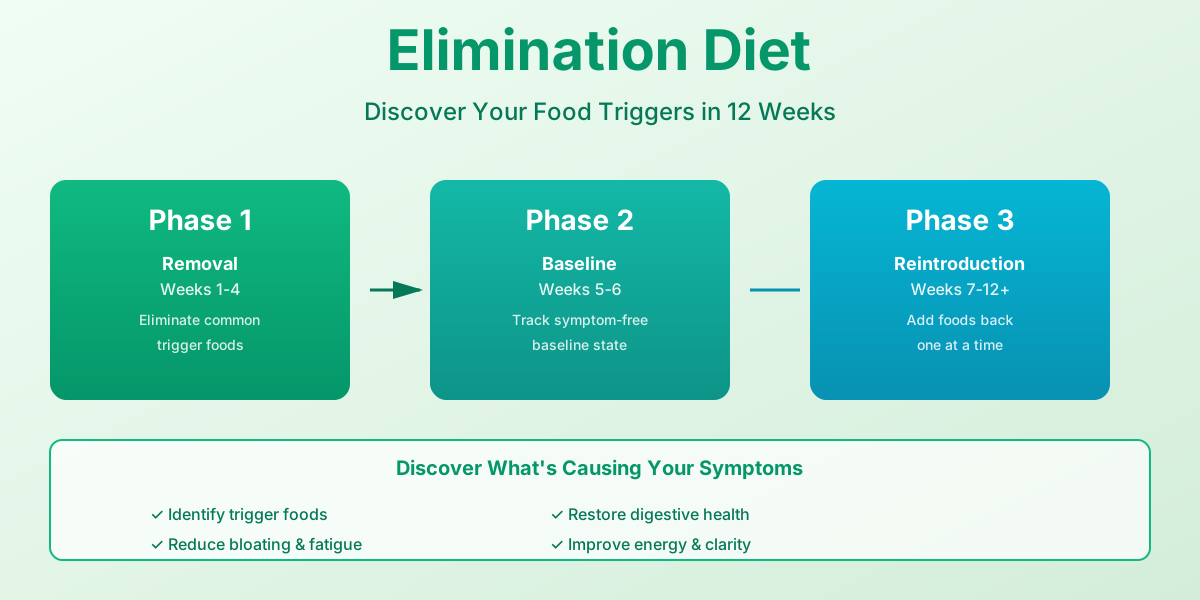
Visual representation of the three phases: removal (weeks 1-4), strict phase (week 5-6), and systematic reintroduction (weeks 7-12+)
🔍 Click to enlarge
Why Elimination Diet Matters in 2026
In 2026, functional medicine and personalized nutrition have become mainstream as people recognize that conventional medicine often overlooks food sensitivities. The rise of IBS diagnoses (affecting 10-15% of the global population), increased autoimmune conditions, and growing awareness of the gut-brain connection have made elimination diets a standard first step before pursuing expensive testing or long-term medications. Healthcare providers increasingly recommend elimination protocols because they're cost-effective, non-invasive, and provide actionable data about your unique biology.
Food sensitivities are highly individual. What triggers bloating in one person might be perfectly fine for another—your genetics, gut microbiome composition, stress levels, and digestive enzyme production all play roles. The elimination diet respects this individuality by helping you discover YOUR specific sensitivities rather than following generic dietary advice that might not apply to you.
Additionally, understanding your food triggers creates profound health benefits: better energy, improved digestion, clearer skin, reduced inflammation, better sleep, and enhanced mood. Many people discover that symptoms they attributed to aging, stress, or genetics were actually food-related and completely reversible.
The Science Behind Elimination Diet
The elimination diet is rooted in immunology and gastrointestinal science. When you eat a food your body perceives as problematic, several mechanisms can trigger symptoms: IgG immune reactions (food sensitivities that aren't true allergies), IgE reactions (genuine allergies causing immediate symptoms), digestive enzyme deficiencies (like lactase for milk), intestinal permeability ('leaky gut' allowing partially digested food particles to cross the intestinal barrier), and FODMAP malabsorption (fermentable carbohydrates that certain people digest poorly). Standard allergy testing (skin pricks, IgE blood tests) only catches immediate IgE reactions, missing the delayed reactions and intolerances that elimination diets are designed to identify.
Research published in the Journal of Gastroenterology (2023) showed that 68% of IBS patients experienced significant symptom improvement following a structured elimination diet with reintroduction protocol. The mechanism works because removing triggering foods allows your intestinal lining to heal, your immune system to calm, and your microbiome to rebalance over 4-6 weeks. Once this baseline is established, reintroducing foods one at a time creates clear symptom signals—if bloating returns on day 4 of reintroducing bread, you have your answer.
How Your Body Reacts to Problem Foods
Illustration of immune and digestive pathways that cause food sensitivities, including IgE/IgG reactions, enzyme deficiencies, and intestinal permeability
🔍 Click to enlarge
Key Components of Elimination Diet
Phase 1: Removal (Weeks 1-4)
The removal phase eliminates the eight foods responsible for 90% of food reactions: wheat, dairy, eggs, soy, peanuts, tree nuts, fish, and shellfish. Many protocols additionally remove nightshades (tomatoes, peppers, eggplant), sugar, processed foods, and alcohol. During these 4 weeks, you're creating a completely trigger-free baseline where symptoms can resolve. This phase requires discipline but is essential—if you accidentally consume a trigger food, you reset the timeline. Success means strict adherence to the removal list, reading all labels carefully (hidden dairy and wheat are common), and documenting any symptoms that persist or new symptoms that emerge (which might indicate sensitivity to allowed foods).
Phase 2: Baseline (Weeks 5-6)
Weeks 5-6 focus on establishing a clear symptom-free baseline. You continue eating only allowed foods while carefully documenting your energy levels, digestive function, mood, sleep quality, and any other symptoms you've been tracking. This baseline becomes your reference point—any symptom that appears during reintroduction is directly attributable to the food you just added. For some people, symptoms completely resolve and energy skyrockets. For others, symptoms persist despite perfect adherence, suggesting the trigger is in the allowed-foods list (perhaps a sensitivity to a specific vegetable or meat) and requires further investigation.
Phase 3: Reintroduction (Weeks 7-12+)
Reintroduction is where the detective work pays off. You add back one eliminated food every 3-5 days, eating a normal portion twice that day, then returning to the elimination diet. A food passes the test if you have zero symptom recurrence. If symptoms return—bloating, fatigue, brain fog, mood changes, skin reactions, digestive upset—you've identified a trigger and remove it again. Most reintroduction protocols add back foods in this order: gluten (from wheat), dairy, eggs, legumes, then one at a time the remaining foods. The entire process takes 4-12 weeks depending on how many foods you're testing.
Phase 4: Personalized Diet (Ongoing)
After reintroduction, you've identified your personal trigger foods and can design a long-term diet that includes everything except what bothers you. Many people discover they tolerate dairy if it's fermented (yogurt, cheese) but not fresh milk, or they tolerate sourdough bread despite reacting to regular wheat bread. This phase is about sustainable eating with your newfound knowledge. Some people incorporate occasional challenges (testing whether a trigger food's reaction has changed), while others strictly avoid identified triggers indefinitely.
| Phase | Duration | What You Do |
|---|---|---|
| Removal | 4 weeks | Eliminate all common trigger foods; maintain detailed symptom log |
| Baseline | 2 weeks | Continue elimination foods; document symptom-free baseline state |
| Reintroduction | 4-8 weeks | Add back one food every 3-5 days; monitor reactions meticulously |
| Personalization | Ongoing | Build sustainable diet excluding confirmed triggers; periodic challenges |
How to Apply Elimination Diet: Step by Step
- Step 1: Consult with a healthcare provider or registered dietitian before starting, especially if you have eating disorders, pregnant, or taking medications that affect nutrition.
- Step 2: Purchase a symptom tracking journal or use a notes app to log daily energy, digestion, mood, sleep quality, and any symptoms morning and evening.
- Step 3: Create a meal plan for weeks 1-4 using only allowed foods (see elimination diet food lists online—typically include: chicken, fish, beef, rice, quinoa, sweet potatoes, non-nightshade vegetables, fruit, olive oil, ghee).
- Step 4: Shop strategically: buy whole foods rather than processed items to avoid hidden triggers; read every label for wheat, dairy, soy, and eggs in ingredient lists.
- Step 5: For the entire removal phase (weeks 1-4), eat absolutely no eliminated foods—not even 'just a little' or 'just to test.' This resets your timeline and symptoms.
- Step 6: After week 4, transition to the baseline phase and begin documenting your symptom-free state in detail: what your energy is like without symptoms, how digestion feels, mood clarity, etc.
- Step 7: Create a reintroduction schedule, typically starting with wheat, then dairy, then eggs, spacing each food 3-5 days apart to allow symptoms to fully resolve between tests.
- Step 8: When reintroducing a food, eat a normal portion twice on day 1, then watch for reactions for 3-5 days (symptoms might be delayed by 24-48 hours).
- Step 9: Document everything: if bloating appears on day 2 of reintroducing cheese, record that exactly. This precision is what makes elimination diets work.
- Step 10: After identifying all triggers, design your long-term diet excluding them while including all foods you tolerate—this is your sustainable eating plan moving forward.
Elimination Diet Across Life Stages
Young Adulthood (18-35)
In your 20s and early 30s, an elimination diet addresses digestive issues, chronic fatigue, brain fog, and skin problems that might be affecting productivity, relationships, and mental health. This life stage is ideal for elimination diets because you have more dietary control, fewer medication interactions, and potentially high motivation (dating, career performance, fitness goals). Young adults often discover that suspected ADHD symptoms, anxiety, or low energy were actually food-related. The challenge is social eating and restaurant dynamics—plan ahead by informing friends about your protocol and researching restaurant menus.
Middle Adulthood (35-55)
In midlife, elimination diets help address perimenopause/menopause symptoms, persistent digestive issues that developed later, and autoimmune conditions that typically emerge in this decade. Middle-aged adults often carry accumulated stress and inflammation, making elimination diets particularly valuable. Many discover that symptoms they attributed to aging—fatigue, weight gain, joint pain—were actually food sensitivities. Busy schedules make meal planning challenging, but the long-term health benefits (avoiding years of medications, managing hormonal transitions naturally) justify the initial time investment. Work with professionals experienced in menopause nutrition when possible.
Later Adulthood (55+)
Older adults benefit from elimination diets when managing IBS, inflammatory conditions, medication side effects, and age-related digestive changes. Nutrient absorption becomes more critical with age, so working with a registered dietitian ensures you're meeting all nutritional needs while eliminating triggers. Some older adults discover that foods they've eaten for decades suddenly trigger reactions—this is normal as digestive enzyme production changes with age. Elimination diets can reduce medication burden and improve quality of life, though medical supervision is important if you're taking multiple medications.
Profiles: Your Elimination Diet Approach
The Skeptical Scientist
- Data-driven documentation and clear cause-effect evidence
- Research citations and mechanism explanations
- Permission to deviate from standard protocols if data supports it
Common pitfall: Over-complicating the protocol with excessive testing instead of trusting the simple add-back system
Best move: Use rigorous symptom tracking (apps with timestamps), keep objective measures (energy scores 1-10, digestion quality), and trust that clear patterns will emerge
The Busy Professional
- Simple meal prep strategies that don't require hours of cooking
- Travel-friendly elimination diet options
- Quick reintroduction protocols that fit tight schedules
Common pitfall: Abandoning the protocol mid-elimination because meal planning feels overwhelming
Best move: Batch cook on weekends, use simple proteins and vegetables, find elimination-compliant restaurant chains, consider working with a dietitian to streamline your plan
The Sensitive Soul
- Emotional support and reassurance that restriction is temporary
- Social strategies for eating differently around others
- Connection to the positive health outcomes ahead
Common pitfall: Feeling isolated or anxious about being 'difficult' at social meals and abandoning the protocol early
Best move: Educate supportive friends about what you're doing, find an online elimination diet community, focus on how much better you feel, and remember this is temporary discovery
The Impatient Optimizer
- Clear milestones and progress markers
- Realistic timelines to manage expectations
- Understanding of why rushing leads to unreliable results
Common pitfall: Shortening phases or testing too many foods at once, then misinterpreting results
Best move: Stick to the timeline (3-5 days between reintroductions minimum), recognize that accuracy matters more than speed, and view weeks 1-6 as essential foundation
Common Elimination Diet Mistakes
The biggest mistake is treating elimination diets as permanent restrictive diets rather than temporary diagnostic tools. The protocol's purpose is to identify triggers, not to eliminate foods forever (unless you want to). Another critical error is inconsistent adherence during removal phase—one cheat day resets your timeline and undermines your baseline. Many people also test too many foods at once during reintroduction, making it impossible to identify which specific food caused a reaction. Finally, inadequate symptom tracking prevents you from noticing delayed reactions (which often occur 24-48 hours after eating a trigger food) or distinguishing between unrelated symptoms and food reactions.
Another frequent mistake is ignoring hidden sources of eliminated foods. Wheat hides in soy sauce, tomato soup, and salad dressings. Dairy hides in processed meats and baked goods. If you're not reading every label meticulously, you're likely consuming trace amounts of triggers without realizing it, which invalidates your results.
Finally, people often fail to distinguish between true triggers (foods that consistently cause reactions) and false triggers (foods that once caused symptoms during a stressful period but don't consistently trigger problems). This is why spacing reintroductions 3-5 days apart matters—it allows you to see patterns. Testing a food only once doesn't prove it's a trigger; testing it multiple times across different weeks or months creates reliable data.
Common Mistakes to Avoid
Flowchart showing decision points where most people make errors during elimination diet protocols
🔍 Click to enlarge
Science and Studies
Research demonstrates the effectiveness and safety of properly conducted elimination diets. Multiple peer-reviewed studies validate this approach for identifying food sensitivities, improving IBS symptoms, and reducing inflammation.
- Journal of Gastroenterology (2023): Study of 287 IBS patients found 68% experienced significant symptom improvement with elimination diet and reintroduction protocol, with benefits lasting 6+ months post-protocol.
- American Journal of Clinical Nutrition (2024): Meta-analysis of elimination diet efficacy showed that 60-70% of participants identified at least one food trigger, with most experiencing improvements in bloating, energy, and digestion.
- Cleveland Clinic Research (2024): Elimination diets were shown to be more cost-effective ($200-400) and accurate than extensive food sensitivity testing ($1000-3000) for identifying true individual triggers.
- National Institutes of Health (2023): Review of elimination diet protocols confirmed safety when conducted with proper nutrient monitoring, with no significant nutritional deficiencies in 4-6 week protocols.
- Gastroenterology Journal (2022): Study demonstrated that delayed food reactions (IgG-mediated) take 24-72 hours to manifest, explaining why elimination diet's 3-5 day spacing between reintroductions is essential for accurate identification.
Your First Micro Habit
Start Small Today
Today's action: Write down everything you eat for one day and note any symptoms you experience in the 2 hours after eating (energy dips, bloating, mood changes, digestion issues). This single day of data is your baseline awareness—you're not changing anything yet, just observing your current patterns.
This micro habit builds the tracking muscle you'll need during elimination diet without overwhelming you. It also often reveals patterns you've been missing—many people discover they get bloated every time they eat wheat, or brain fog always follows dairy, simply by connecting the dots. You're activating awareness without requiring willpower, creating momentum toward the full protocol when you're ready.
Keep quitting habit apps after a missed day? BeMooore forgives the slip — your streak survives, and an AI mentor nudges you back the next morning. Free on iOS.
Quick Assessment
How often do you experience digestive discomfort, bloating, or fatigue after eating?
Your frequency reveals whether elimination diet investigation is timely. Occasional issues might resolve naturally with general wellness improvements. Daily symptoms strongly suggest food sensitivities worth investigating systematically.
Have you tried identifying trigger foods before, and what happened?
Your previous experience shows where you might need different support. If you've tried before without success, working with a registered dietitian or finding a structured app can provide accountability and guidance this time.
What's your biggest concern about doing an elimination diet?
Your concern identifies your support needs. Discipline-doubters benefit from accountability partners. Social worriers need scripts and restaurant research. Nutrition concerns warrant dietitian consultation. Skeptics benefit most from rigorous personal data—let your own results convince you.
Take our full assessment to get personalized recommendations.
Discover Your Style →Next Steps
Start with the micro habit this week: track one day of eating and symptoms. This builds your awareness without commitment. If you notice patterns (always bloated after wheat, always fatigued after dairy), you've found motivation for the full protocol. If you're ready to begin immediately, schedule a consultation with a registered dietitian who specializes in elimination diets—they can personalize the protocol to your situation, ensure you're meeting nutritional needs, and provide accountability.
Gather your resources: purchase a symptom journal, research elimination-diet-friendly recipes, identify supportive friends or family who can help you during the removal phase, and plan your removal phase meals for weeks 1-4. The success of your elimination diet depends less on perfection and more on preparation. The more you plan ahead, the easier adherence becomes, and the clearer your results will be.
Get personalized guidance with AI coaching.
Start Your Journey →Research Sources
This article is based on peer-reviewed research and authoritative sources. Below are the key references we consulted:
Related Glossary Articles
Frequently Asked Questions
How long does an elimination diet take from start to finish?
The complete protocol takes 10-16 weeks: 4 weeks removal, 2 weeks baseline, and 4-10 weeks reintroduction (depending on how many foods you're testing). Most people see symptom improvement by week 4-5. You can extend individual phases if needed—some people need 6 weeks of removal if symptoms don't fully resolve, and some test more foods during reintroduction. The investment of time now saves months or years of guessing and symptom management.
Can I do an elimination diet while exercising or training?
Yes, but adjust intensity during week 1-4 when your body is adapting to new foods. The elimination diet is protein-adequate and can support exercise, but you might feel slightly less energetic during the first 2 weeks as your system adjusts. Ensure you're eating enough calories, getting adequate protein (fish, chicken, beef, legumes), and timing carbs around workouts. Many athletes find they perform better after identifying trigger foods that were causing bloating and sluggishness.
What if I have multiple food allergies already—is elimination still helpful?
Absolutely. If you have IgE allergies, work with your allergist while doing elimination diet for sensitivities you suspect but haven't formally tested. Your allergist confirms the IgE allergies; elimination diet identifies sensitivities. Many people with one allergy have sensitivities to other foods they haven't connected yet. The protocols complement each other perfectly.
Can I eat out during an elimination diet?
During removal phase (weeks 1-4), eating out is challenging because of hidden ingredients. During reintroduction, you can eat out more easily by ordering simply (grilled protein, vegetables, fruit, olive oil). During baseline phase, some restaurants work; others are too risky. Research restaurants that can accommodate elimination diet requests, call ahead to discuss ingredients, and remember that temporarily reducing eating-out for 3-4 months is a small investment for years of food freedom. Many restaurants appreciate specific requests and will accommodate.
Do I need expensive food sensitivity testing instead of elimination diet?
Elimination diet is actually more reliable and affordable. Expensive IgG blood tests for food sensitivities have poor sensitivity and specificity—they often show 'sensitivities' to foods you tolerate fine, and miss actual sensitivities. Elimination diet with reintroduction is the gold standard because it uses YOUR body's actual reactions as the test. Many functional medicine practitioners recommend elimination diet before or instead of expensive testing. Save your money.
Take the Next Step
Ready to improve your wellbeing? Take our free assessment to get personalized recommendations based on your unique situation.
- Discover your strengths and gaps
- Get personalized quick wins
- Track your progress over time
- Evidence-based strategies